Finding Your Perfect College Match
Choosing the right college is one of the most important decisions you'll make. It's not just about rankings or prestige—it's about finding an environment where you'll thrive academically, socially, and personally. Consider factors like campus culture, location, size, academic programs, and extracurricular opportunities that align with your interests and goals.
Take advantage of campus tours, virtual open houses, and conversations with current students to get a genuine feel for each institution. Remember that the "perfect" college for your friend might not be the perfect fit for you. Trust your instincts about where you feel most at home and where you can envision yourself growing over the next four years.
Pro Tip: The Overnight Visit
If possible, schedule an overnight visit to experience campus life after hours. This gives you a more authentic sense of dorm life, student interactions, and campus atmosphere when classes aren't in session.
Key Factors to Consider:
- Academic Programs: Does the college offer your intended major with strong faculty support?
- Campus Culture: What's the social atmosphere? Competitive or collaborative?
- Location: Urban, suburban, or rural? Close to home or an adventure away?
- Size: Do you prefer large university resources or small college attention?
- Financial Fit: Can you afford it with scholarships, grants, and reasonable loans?
- Career Support: What internship and job placement resources are available?
Mastering Academic Success in College
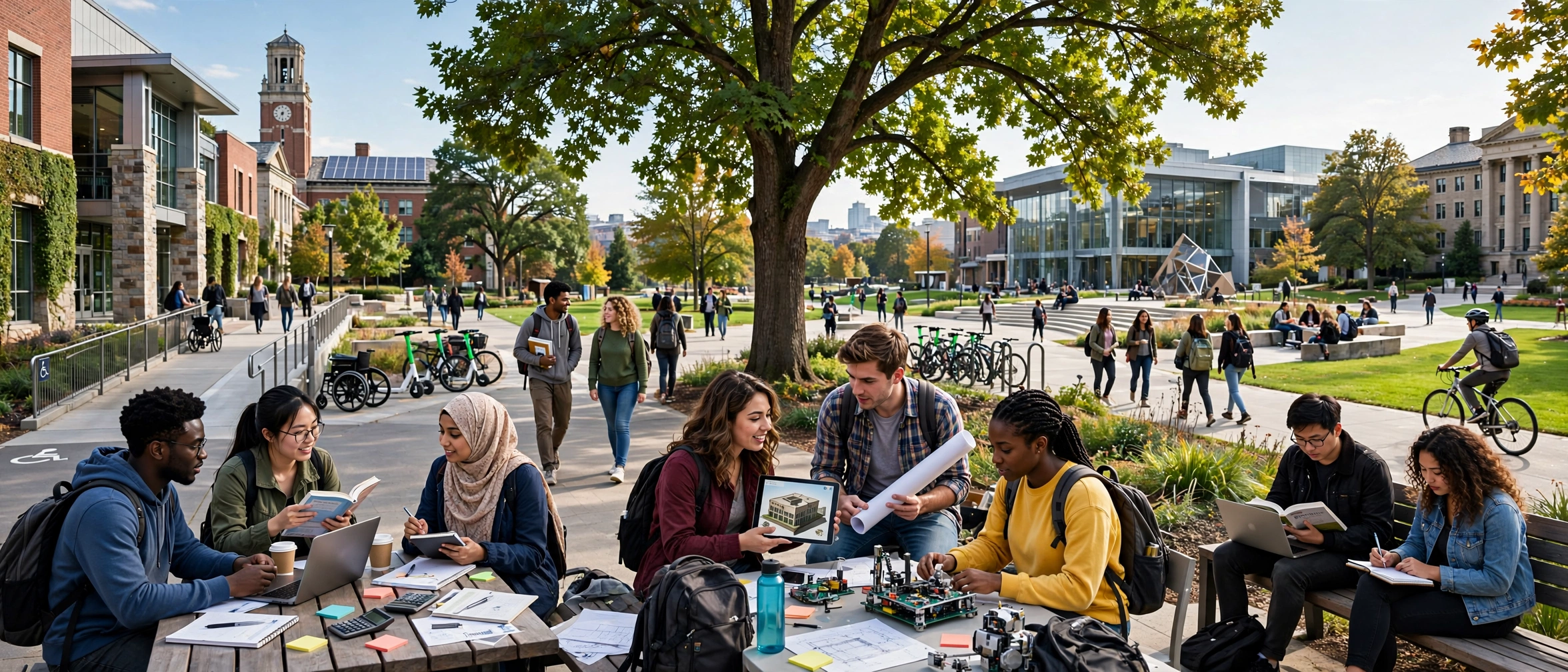
The transition from high school to college academics can be challenging. College courses move faster, require more independent learning, and expect higher-level critical thinking. Developing effective study habits early is crucial for academic success. This includes time management, active learning strategies, and knowing when and how to seek help.
Don't be afraid to visit professors during office hours—they're there to help! Forming study groups with classmates can also enhance understanding and make challenging material more manageable. Remember that grades are important, but true learning and intellectual growth matter more in the long run.
Essential Academic Strategies:
- Time Blocking: Schedule specific times for studying, classes, and assignments
- Active Note-Taking: Develop a system that works for you (Cornell, outlining, mapping)
- Study Environment: Find spaces where you can focus without distractions
- Office Hours: Regularly visit professors to clarify concepts and build relationships
- Academic Resources: Utilize writing centers, tutoring services, and study workshops
- Balance: Avoid burnout by scheduling breaks and maintaining other interests
Building Your Campus Community
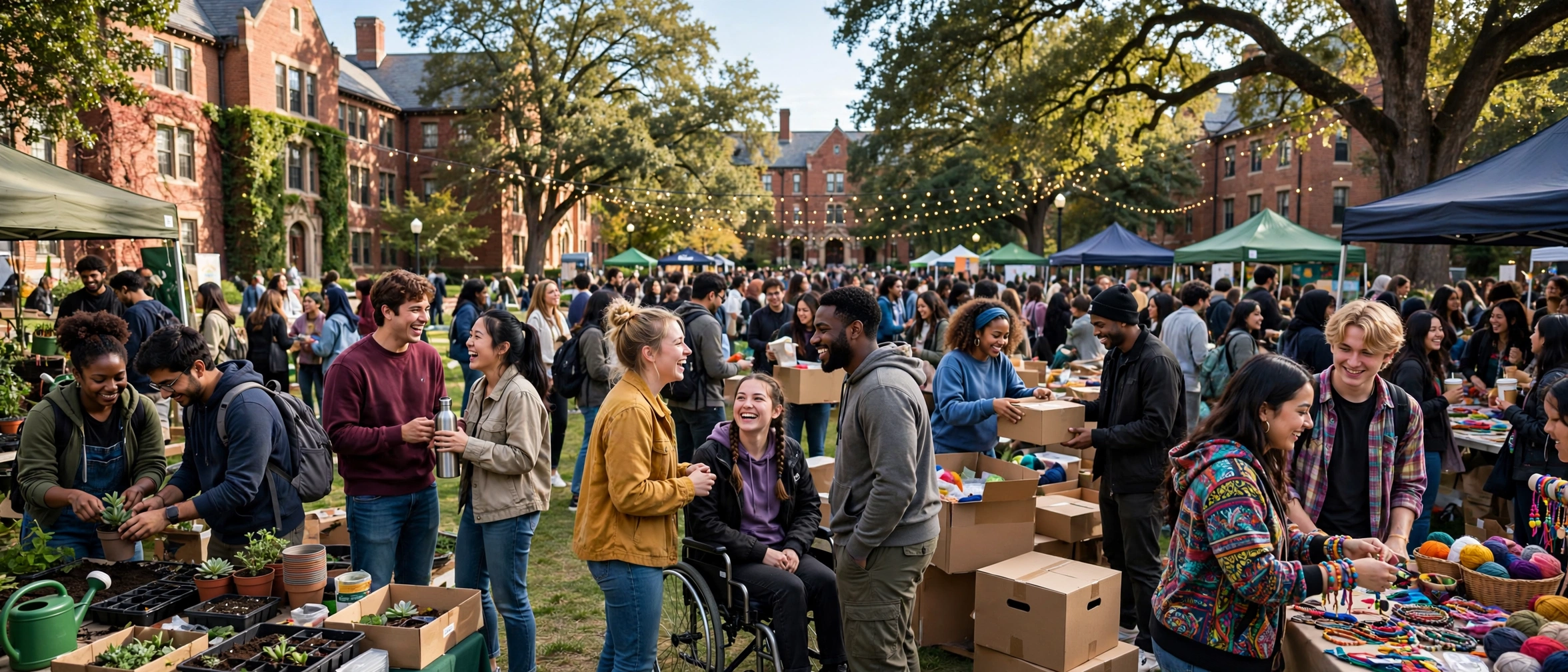
One of the most valuable aspects of college is the community you build. The friendships formed during these years often last a lifetime and can become your professional network after graduation. Getting involved on campus is the best way to meet people who share your interests and values.
From student organizations and club sports to cultural groups and volunteer opportunities, campuses offer countless ways to connect. Don't limit yourself to people in your major or dorm—some of the most meaningful relationships come from unexpected connections. Be open to meeting people from different backgrounds with perspectives that challenge and expand your own.
Relationship Building Tip
In the first month of college, try to say "yes" to social invitations whenever possible (within reason). This initial period is when many friend groups form, and being open to new experiences can lead to lasting connections.
Ways to Build Your Campus Network:
- Join Student Organizations: Find clubs aligned with your interests or try something completely new
- Attend Campus Events: Lectures, performances, games, and social gatherings
- Participate in Orientation Activities: Designed specifically to help students connect
- Volunteer: Campus and community service opportunities
- Work on Campus: Student jobs create natural communities
- Living-Learning Communities: Specialized dorm communities around shared interests
Balancing Academics and Social Life
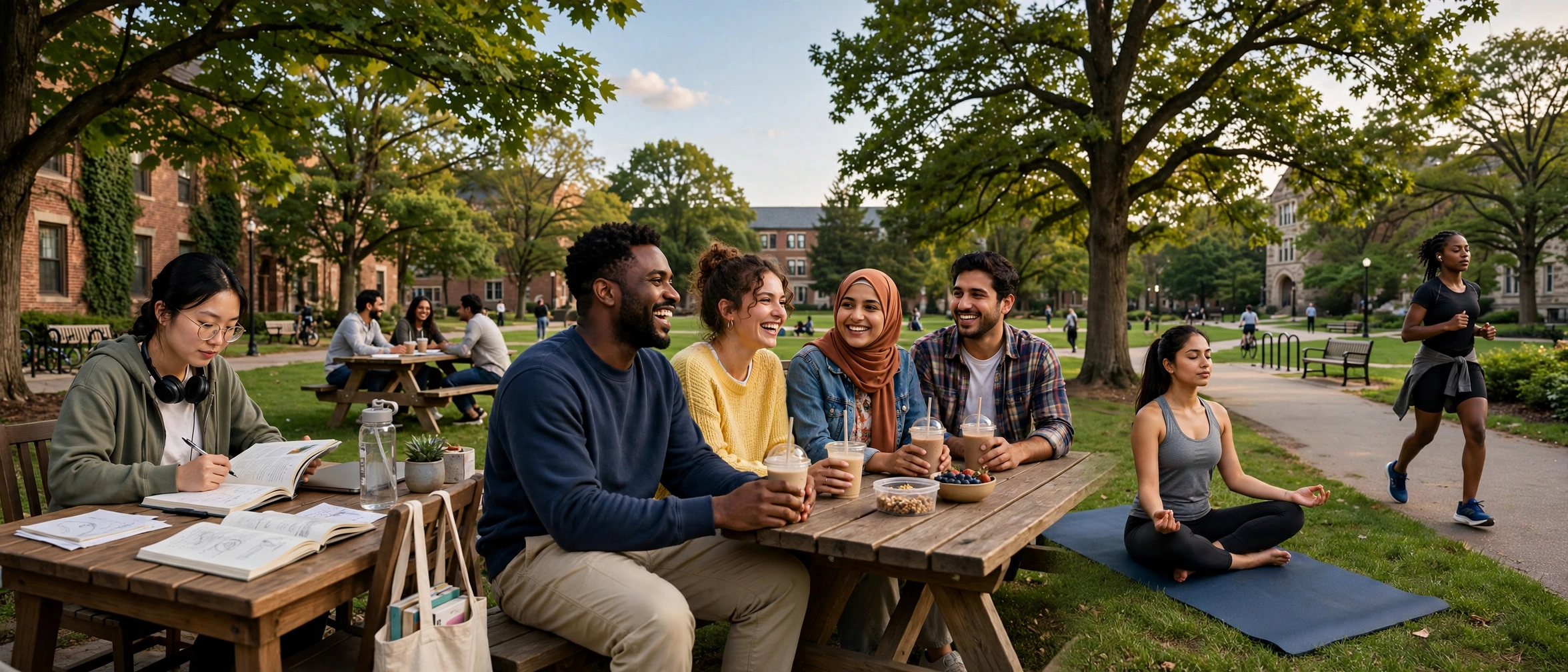
The infamous college balance—juggling classes, studying, social life, sleep, and self-care—is a skill that takes practice to master. Many students struggle initially, either focusing too much on academics and burning out or prioritizing social life at the expense of their grades. The key is finding a sustainable rhythm that works for you.
Learn to recognize your limits and respect your need for downtime. College is a marathon, not a sprint. Building healthy habits around sleep, nutrition, and exercise will give you the energy and mental clarity to succeed both in and out of the classroom.
Balance Strategies That Work:
- Weekly Planning: Schedule classes, study sessions, social activities, and rest
- The 50-Minute Rule: Study for 50 minutes, break for 10 to maintain focus
- Priority Management: Identify what's urgent vs. what's important
- Learn to Say No: You can't do everything—choose activities wisely
- Weekday/Weekend Balance: Focus on academics during week, socialize on weekends
- Self-Care Rituals: Regular exercise, healthy eating, and adequate sleep
Preparing for Your Future Career
College is the ideal time to explore career options and build the skills and experiences that will make you marketable after graduation. Start thinking about your career path early, but remain open to new possibilities—many students change their major or discover unexpected interests during college.
Take advantage of career services, internship fairs, alumni networking events, and informational interviews. These resources can help you clarify your goals, gain practical experience, and make valuable connections in your field of interest. Remember that your first job after college doesn't have to be your forever career—it's a starting point.
Career Preparation Steps:
- Visit Career Services: Get help with resumes, interviews, and job searches
- Secure Internships: Gain practical experience in your field
- Build Your Network: Connect with professors, alumni, and professionals
- Develop Transferable Skills: Communication, teamwork, problem-solving
- Create a Professional Online Presence: LinkedIn and portfolio development
- Attend Career Fairs: Practice talking to employers and learn about opportunities
The most successful graduates are those who combine strong academics with practical experience and professional connections. Start building your career foundation from your first year—it's never too early to begin preparing for life after college.
Managing Stress and Mental Health
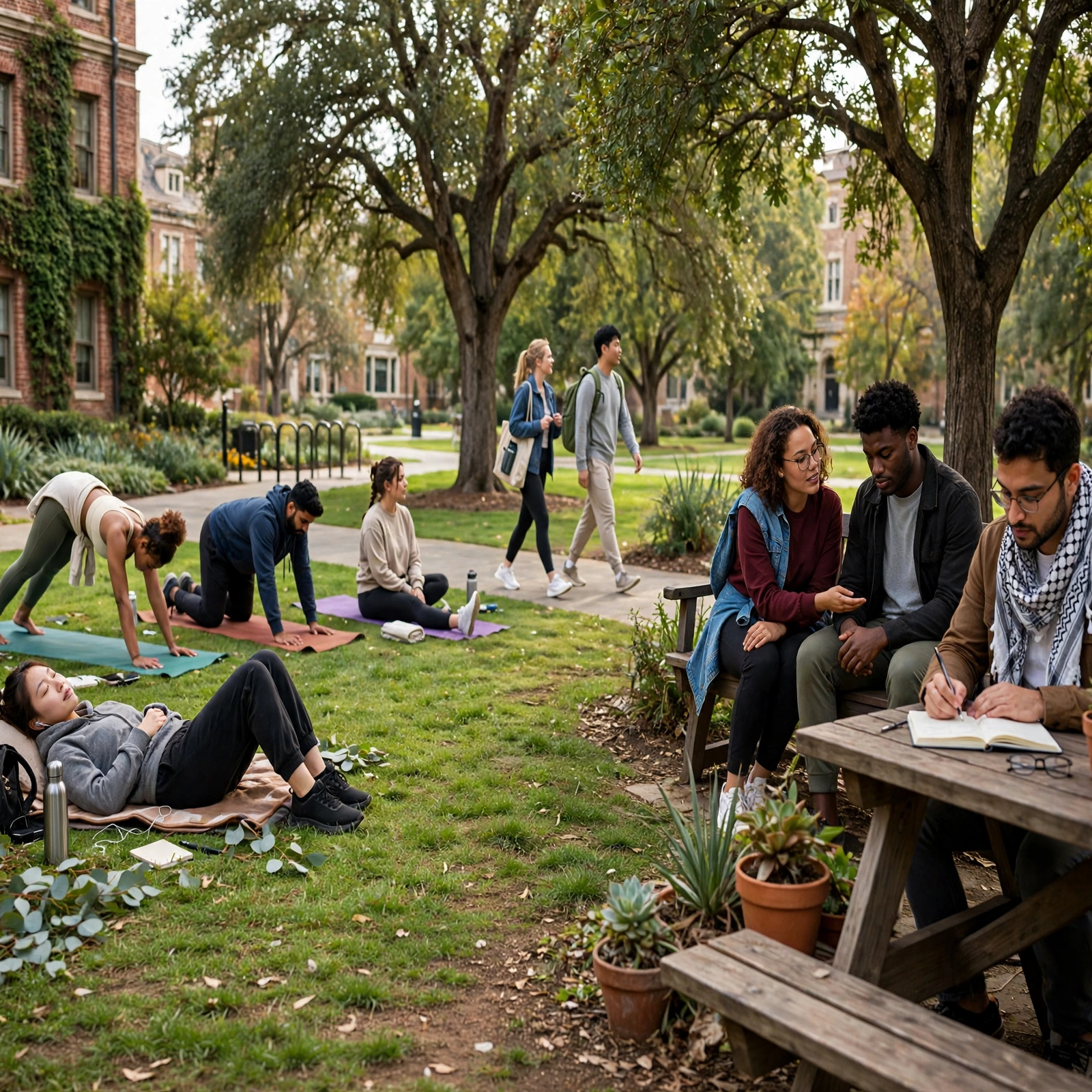
College can be stressful—academic pressures, social adjustments, financial concerns, and being away from home can take a toll on mental health. It's completely normal to feel overwhelmed at times. What matters is developing healthy coping strategies and knowing when to seek support.
Most colleges offer counseling services, support groups, and wellness programs to help students manage stress. Don't hesitate to use these resources—they exist to support you. Taking care of your mental health isn't a luxury; it's essential for your success and well-being.
Wellness Check-In
Create a weekly self-check routine: How am I sleeping? Eating? Feeling? If you notice concerning patterns for two weeks or more, reach out to campus counseling services for support.
Mental Health Support Strategies:
- Campus Counseling: Professional support is often free for students
- Peer Support Groups: Connect with students facing similar challenges
- Mindfulness Practices: Meditation, deep breathing, yoga
- Physical Activity: Regular exercise reduces stress and improves mood
- Healthy Routines: Consistent sleep, nutrition, and downtime
- Social Connection: Don't isolate—reach out to friends, family, or mentors
Making the Most of Your Senior Year
Senior year brings a mix of excitement, nostalgia, and anxiety about the future. It's a time to complete degree requirements, secure post-graduation plans, and savor your remaining time on campus. While it's important to focus on your future, don't forget to be present and appreciate these final months of college life.
This is also the time to solidify relationships with professors who can serve as mentors and write recommendation letters. Complete any remaining "college bucket list" items, but also take time to reflect on how you've grown and what you've learned during your college journey.
Senior Year Priorities:
- Complete Degree Requirements: Meet with your advisor to ensure you're on track
- Post-Graduation Planning: Job search, graduate school applications, or gap year plans
- Capstone Projects/Theses: Showcase what you've learned in your major
- Mentor Relationships: Strengthen connections with faculty for future references
- Campus Traditions: Participate in senior events and rituals
- Alumni Networking: Connect with alumni in your field of interest
- Reflection: Consider how you've changed and what you've learned
Senior year is both an ending and a beginning. As you prepare to transition from college to the next chapter, remember to celebrate your accomplishments, express gratitude to those who supported you, and approach the future with the confidence and skills you've developed over the past four years.